Technology
Microbial Applications in Animal Surroundings
Micro-organisms in Animal Surroundings
While live microorganisms used in animal nutrition have made their way and are getting increased recognition as pivotal nutritional solutions for animal performance and wellbeing, their use in animal husbandry for other purposes than nutrition is in its early stage. Innovative promising microbial solutions are emerging on the market. So far, they principally include three main types of applications: the quality of bedding and manure/slurry, the installation of positive biofilms on husbandry buildings/surfaces and/or on animals, and water quality intervention (aquaculture). New societal needs have emerged in relation to animal production and the improvement of animal health and welfare.
Those products are innovations that can be included in the “farm management toolbox” and complement the existing farm biosecurity tools (detergents, biocides/disinfectants, veterinary products, etc.), but there are not intended to replace them, and can help mitigating some of the burning issues like antibiotic resistance and/or environmental emissions.
Main applications
Microbial based products used in the surroundings of animals for other purposes than nutrition, disinfection and/or medication can be used for different purposes as described hereafter.
Manure/slurry management
The application of selected microorganisms on manure and/or in slurry helps to manage it and to improve the quality of the organic material. For example, it enables a faster activation of the composting process by the action of the microorganisms which promote the degradation of organic matter. It also helps reduce the emission of ammonia and odour from urine and faecal matter.
Bedding Management
Using selected microorganisms on animal bedding helps maintain the hygienic conditions of the animal bedding. It also helps to limit the emission of ammonia and odour from urine and faecal matter, contributing to the reduction of NH3 and GHG emissions.
Animals and building management/microflora barrier effect
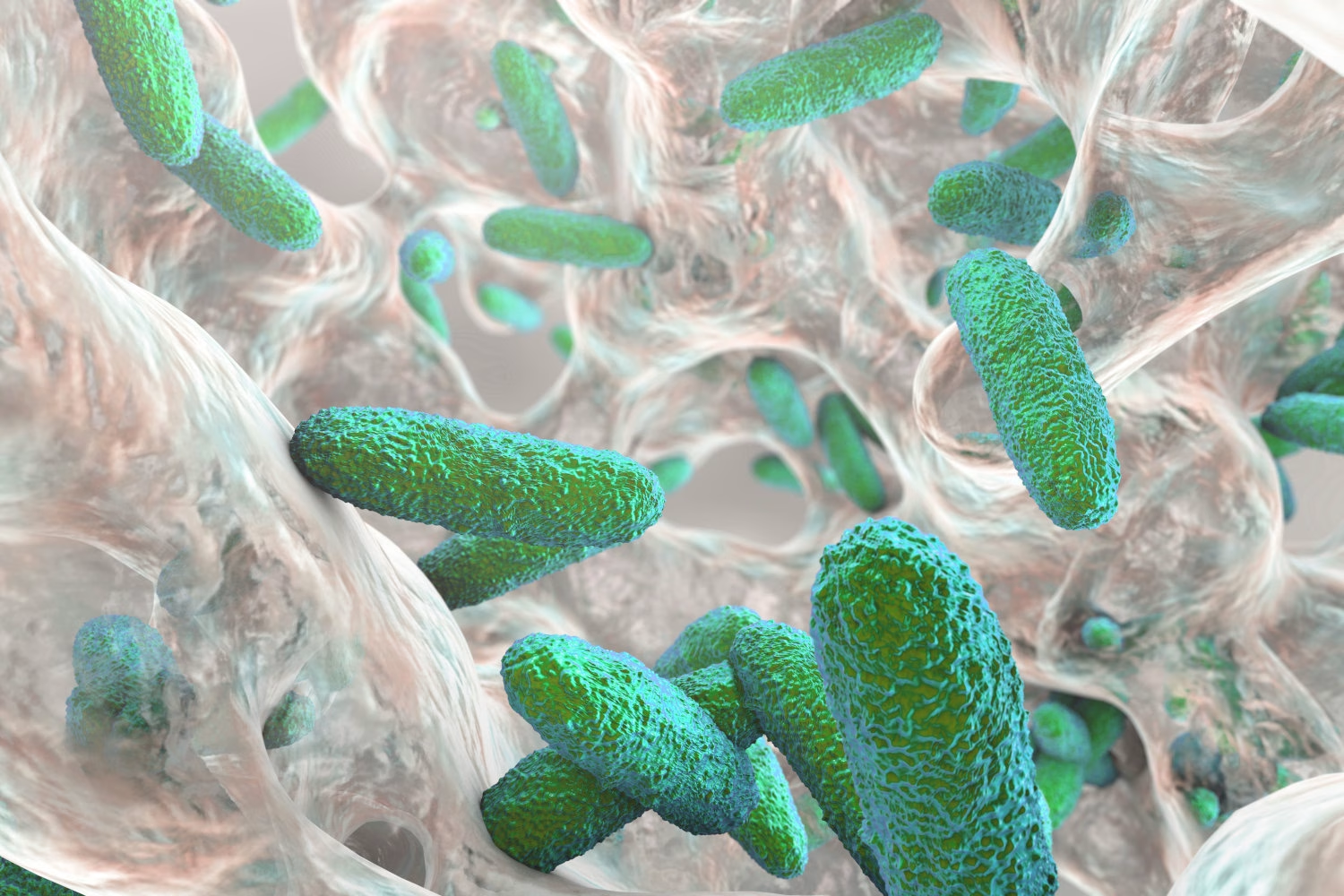
The use of selected microorganisms in the animal surroundings (e.g. application/pulverisation of farm building surfaces and/or on external parts of animals) enables the establishment of a population of positive microorganisms, also called positive biofilms. The positive biofilms create a barrier that helps impede the development of undesirable microorganisms in the environment and/or on the animals by helping to establish, maintain and/or restore the equilibrium of the microbial ecosystem. Consequently, positive biofilms help to maintain good hygienic conditions in the building and/or on the animals.
The ‘farm building’ microbial products are not intended to replace disinfectants but can be used to complement cleaning and sanitation of buildings and surfaces.
Similarly, microbial products applied on the animals aim at the creation of positive biofilms on the intact skin. They do not replace veterinary medicinal products and/or biocidal products for veterinary hygiene that are still required in case a disease is diagnosed.
Water quality management (bioremediation, bio-preservation) – Aquaculture
Similarly, as what is done for the management of the quality of animal bedding, selected microorganisms are used to maintain the water quality in closed aquaculture systems. Microorganisms help dissolve organic sludge, accelerates biological organic degradation and/or reduce hydrogen sulphide and/or ammonia nitrogen levels and ultimately help managing the water of ponds and lagoons.
Microbial Detergents
Selected microorganisms are used to formulate microbial-based detergents. The bacteria present in the detergents collectively produce a range of extracellular biosurfactants and enzymes (e.g., proteases, cellulases, amylases, ureases) that can degrade organic substances and complex soils. The most commonly used microorganism in Microbial detergents are non-pathogenic members of the Bacillus genus.
Join us in shaping the future of animal hygiene
Get in touch to learn more about AMAEE and how you can contribute to better animal hygiene and health through microorganisms.